Choosing the trim size for a short-run paperback may seem like a small decision, but it can shape the reader experience more than most new authors realize. When someone holds a book for the first time, the feel of it can create trust, curiosity, or even hesitation. That first impression is not only about the cover design but also about how the book sits in a reader’s hand. Learn how to choose a trim size for a short-run paperback: A carefully chosen trim size can make your project feel polished and intentional, and that matters whether you plan to work with Self publishers or manage the process on your own.
If you have ever walked past shelves filled with countless titles, you have likely noticed how the shape and proportions of each book give it a certain personality. Some feel compact and intimate, while others feel bold or open. These qualities influence a reader’s expectation long before they reach the first chapter. This remains true whether you are creating a short-run paperback or a larger release. The balance between text space and white space also affects comfort, readability, and the overall flow of your design. As you shape your manuscript, you may also consider elements like Book Illustration or layout choices that guide the most fitting trim size.
Know Your Genre and Audience
Different genres tend to follow familiar trim size trends. Readers subconsciously expect certain formats and feel more at home when a book aligns with those norms. Fiction often leans toward portable sizes that are easy to carry. Nonfiction sometimes works better with slightly larger dimensions that allow more breathing room for text. Workbooks, guides, or content with visual elements may need additional space for clarity, especially if you include art or diagrams. When you understand what your audience typically encounters, you can make informed decisions that feel both creative and professional.
How to Choose a Trim Size for a Short-Run Paperback: Consider Readability and Layout
Trim size influences everything inside the book, from line length to margins to overall rhythm. A narrow page may lead to short lines that break the reading flow. A very wide page can create long lines that tire the eye. Your chosen size should complement your writing style. If your content includes images or Book Illustration, you may want a slightly larger page so the visuals appear clear and comfortable rather than cramped. Think about your font size, spacing, and overall layout because these elements work together as one design system.
Match Your Vision With Practical Choices
Trim size should reflect your message. A compact inspirational book may feel more personal in a smaller size. A research based piece may require more space so the structure feels clean and trustworthy. If you plan to convert your print edition into digital form later, an Ebook publisher may offer format insights that help your print decisions too. Even though both formats differ in display style, you can still think about how your print version sets the tone for your entire author brand.
Think About Production Simplicity
Short-run printing allows you to experiment, but simplicity still helps. Standard sizes often produce fewer unexpected issues during printing. They also tend to be more cost-friendly. Nonstandard sizes may look unique, but they can impact production times and trim accuracy. If this is your first time working with print, it may feel reassuring to choose a size that is known for reliable results. Once you gain more experience, you can explore more creative variations if they align with your audience.
Hold a Few Examples in Your Hands
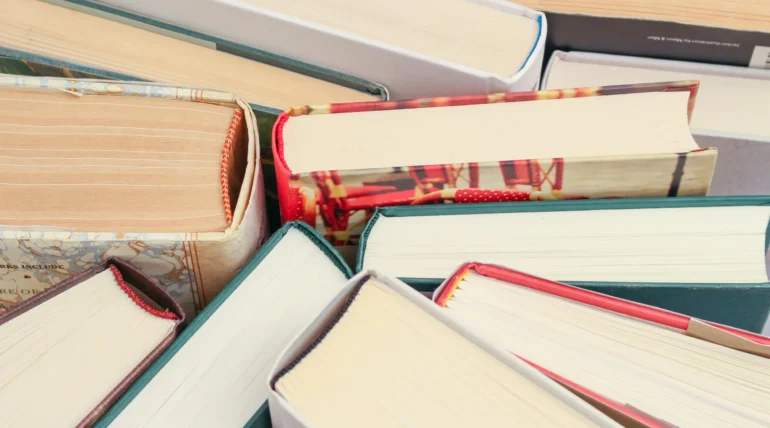
One of the best ways to understand trim size is to examine books you already own. Notice which ones feel pleasant to hold and easy to read. Observe how the text sits on the page and how the book opens. Compare several genres to see how size shapes the thematic mood. This hands-on approach can bring clarity that no chart or guide can match.
To sum up, how to choose a trim size for a short-run paperback: selecting the right trim size for a short-run paperback is a balance of creativity, practicality, and reader comfort. When you trust the process and give yourself time to explore what feels right, you set the foundation for a book you can be proud of. Whether you are planning your first print run or refining a new edition, every decision you make adds character to your work and brings you one step closer to your goal to share your voice with the world.