
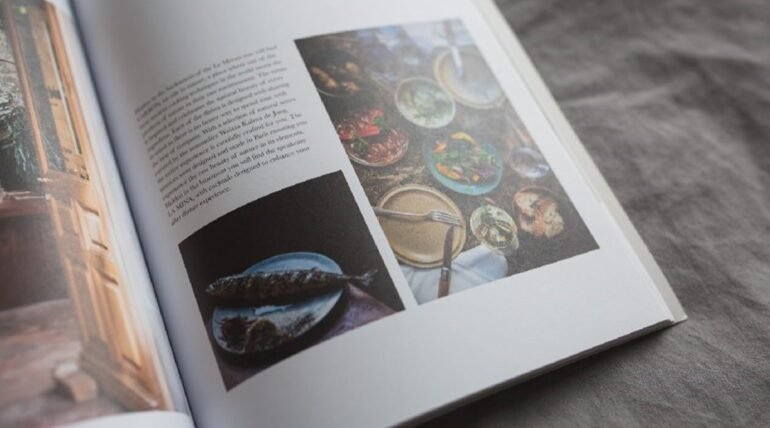
Every author dreams of holding their finished book for the first time. That moment when your words, ideas, and imagination turn into something you can touch feels magical. But behind that excitement lies a detailed process that blends creativity, design, and technical skill. Whether you are an author planning to self publish or a professional working with book publishers, understanding book design and printing is the key to transforming your manuscript into a finished masterpiece. Book design is not just about choosing fonts or arranging pages. It is about creating an experience that draws readers in before they even read the first line. A well designed book reflects the story’s tone, genre, and personality.
From the cover illustration to the typography, every choice shapes the reader’s first impression. Printing, on the other hand, brings the design to life. The choice of paper, colors, and binding turns your digital dream into a tangible product you can proudly share with the world. Book design and printing: Many writers focus so deeply on their story that they forget how important presentation is. A great story deserves a design that does it justice. Whether you are looking to publish my book through traditional book publishers or with an ebook publisher, knowing how to balance creativity with practicality will make all the difference. This guide will explore every step of the process, from design principles and layout choices to printing techniques and publishing options, so you can confidently bring your book to life.
Understanding the Basics of Book Design And Printing
Book design is the visual and structural foundation of your publication. It determines how readers will experience your words, images, and ideas. The design starts with the cover because that is the first thing potential readers see. A captivating cover with thoughtful book illustration can instantly communicate what your book is about. The use of color, texture, and layout all play important roles in sparking curiosity. Inside the book, typography and layout become your storytelling partners.
Fonts should be readable yet expressive enough to match your book’s tone. Line spacing, margins, and paragraph breaks might seem small, but they affect how comfortable a reader feels while reading. A well balanced interior design can turn long pages of text into something pleasant and inviting. Good design is about clarity. It helps the reader focus on the story without distractions. Whether you are working with a professional designer or creating the layout yourself, take time to understand the principles of proportion, alignment, and contrast. These details make your book look polished and professional, which matters a great deal to readers and reviewers.
Book Design and Printing: The Role of Book Illustration
Illustrations are powerful storytelling tools. They bring characters, settings, and ideas to life in ways words alone sometimes cannot. In children’s books, illustrations carry as much importance as the text itself. In nonfiction works, they help explain complex concepts or add visual interest. Even novels can benefit from simple sketches, maps, or chapter decorations that enhance the mood of the story. When planning your book illustration, think about consistency. The art style should match the book’s genre and tone. For example, a fantasy novel might have detailed, whimsical art, while a modern poetry collection could use minimalist drawings. Collaborating closely with an illustrator ensures that both the visuals and text support each other beautifully.
Choosing the Right Printing Options
Printing is where your book design becomes something you can hold in your hands. Today, authors and book publishers have more options than ever before. You can choose between traditional offset printing or print on demand services, depending on your budget and goals. Offset printing is ideal for larger print runs because it offers excellent color accuracy and cost efficiency per copy. Print on demand works best for self publishing authors who want flexibility and smaller print quantities. It allows you to print copies as orders come in, reducing waste and upfront costs. Paper quality, binding style, and finish also make a big difference. Matte covers often feel elegant and subtle, while glossy finishes make colors pop. The thickness and texture of paper affect how your book feels in the reader’s hands. Always request a sample before finalizing the print run so you can be sure the result matches your expectations.
The Rise of Self Publishing and Digital Options
Self publishing has revolutionized the publishing industry, allowing authors to control every stage of the process, from design to marketing. This empowering move requires taking on responsibilities that a publisher would normally handle. Book design and printing: To publish independently, research reliable printing partners and ebook publisher platforms. Digital publishing offers global reach without printing costs, but design remains crucial. Self publishing provides creative freedom, allowing authors to experiment with layouts and test designs. However, professionalism and presentation will always influence reader perception.
Tips for a Successful Book Design and Printing Experience
- Start with a vision – Before beginning the design process, imagine how you want your book to feel in the reader’s hands.
- Study other books in your genre – Pay attention to what works and what doesn’t. This can guide your own design choices.
- Invest in editing and proofreading – Even the most beautiful layout cannot hide typos or poor grammar.
- Communicate with your designer and printer – Clear instructions save time and prevent costly mistakes.
- Review proofs carefully – Always check digital and printed proofs to ensure color accuracy, spacing, and alignment.
In the end, book design and printing are where imagination meets craftsmanship. Every author and publisher wants their book to stand out, and that requires thoughtful attention to every detail. From selecting the perfect typeface to choosing the right paper, each decision shapes how readers experience your story. Whether you work with professional book publishers, an ebook publisher, or choose self publishing, remember that your book is more than just words. It is a piece of art that deserves the best design and production possible. Treat it with care, and your readers will feel that dedication in every page they turn.