
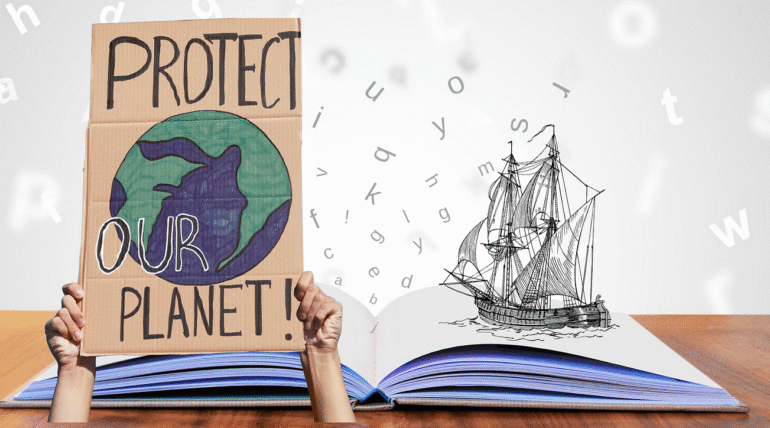
In a world where conversations about climate change often revolve around data, policies, and scientific predictions, storytelling reminds us of the human side of it all. Facts may inform us, but stories move us. They stir empathy, connect hearts, and turn awareness into action. Every story about the planet is more than just a description of melting ice or deforestation; it is a reflection of how humanity lives, dreams, and survives with Earth. Storytelling for climate-conscious readers is not about guilt or fear, it is about hope, imagination, and the power of words to create change.
As writers, readers, and creators, we carry the responsibility to make environmental stories feel personal. A well-told story can show how a single drop of rain holds history, how a forest breathes life into a community, or how the choices of one person ripple through an entire ecosystem. Climate storytelling is not limited to science fiction or nature essays; it can appear in romance, adventure, fantasy, or poetry. The essence lies in weaving care for the planet into narratives that readers can feel deeply. This emotional connection is what keeps the message alive long after the last page is turned. When done right, such stories can transform quiet concern into meaningful action, helping people see that saving Earth begins with understanding her story.
The Power of Storytelling for Climate-Conscious Readers Awareness
Storytelling allows people to see the world through a more human lens. Instead of presenting overwhelming statistics, it opens a window into lived experiences. A fisherman watching coral reefs fade, a child growing up amid wildfires, or an artist finding beauty in reclaimed materials, all become storytellers of the planet’s truth. Readers begin to care because they can see themselves reflected in these stories. This emotional bridge is what makes storytelling such a powerful tool for inspiring environmental responsibility.
How Writers Can Bring Earth’s Voice to Life
Creating stories for climate-conscious readers starts with empathy. Writers need to listen to the rhythms of nature and translate them into words that echo in human hearts. Using vivid imagery helps readers picture what is at stake. The scent of rain, the silence of a dying forest, or the hum of a thriving garden can all bring the planet’s voice into focus. Writers should also balance realism with optimism. The aim is not to frighten readers into action but to remind them that solutions exist, that change is possible, and that every act of care counts.
Collaboration can make these stories even stronger. A skilled book illustrator can visually capture the spirit of the Earth, turning a story into something readers can feel through colors and forms. Illustrations breathe life into words, making complex climate themes accessible and memorable. In the digital era, an ebook publisher can help these stories reach wider audiences across borders, ensuring that tales of hope and awareness travel far beyond printed pages. Publishing houses that believe in sustainability also play an important role by supporting writers whose words advocate for the planet. A forward-thinking book publisher can recognize the cultural value of climate narratives and give them the platform they deserve.
Connecting with Climate-Conscious Readers
Today’s readers are more aware than ever before. They seek stories that reflect their values, not just entertain them. They want to see characters who protect, nurture, and coexist with nature. To reach them, writers should be authentic. That means writing with honesty about challenges and triumphs, showing nature as both fragile and resilient. It also means leaving space for readers to reflect on their own connection to the planet. The most powerful climate stories do not preach; they invite participation.
Writers can also experiment with different formats. Short stories, illustrated books, and digital publications can all carry the message in unique ways. A single paragraph in an ebook can touch someone across the world, while a beautifully illustrated print book can inspire a classroom full of young minds. What matters most is the sincerity of the storyteller’s voice and the belief that stories can spark change.
To sum up, telling Earth’s story is not a task for scientists alone. It belongs to poets, novelists, artists, and dreamers who understand that stories have the power to shape how we see our world. Each page written with care for the planet becomes a quiet act of activism, a gentle reminder that Earth is not just a setting but a living character in our collective story. When storytellers use their craft to nurture awareness, they help readers imagine a future where humans and nature thrive together. That is the true beauty of storytelling for climate-conscious readers: it keeps hope alive while inviting everyone to become part of Earth’s ongoing narrative.