
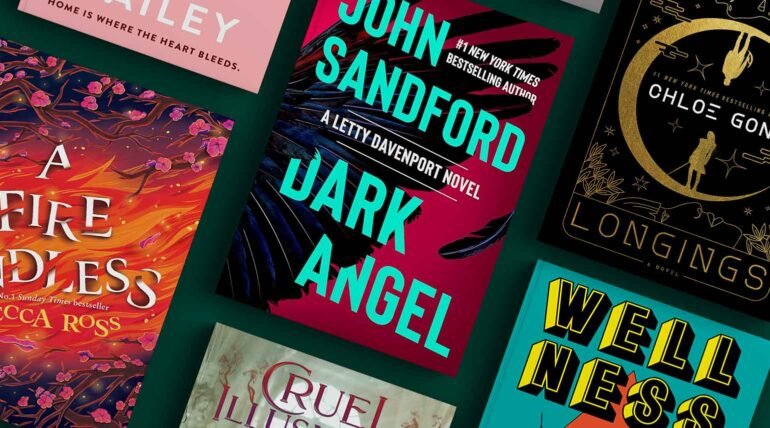
Book covers are often the very first interaction readers have with a book, and for indie authors, this moment can determine whether someone clicks, scrolls, or buys. In a competitive publishing landscape where thousands of new titles appear every day, a well-designed cover is no longer optional. It is a strategic marketing tool. Book cover design trends indie authors can’t ignore 2025: As we move into 2025, book cover design continues to evolve alongside changing reader expectations, digital storefront algorithms, and genre-specific aesthetics. What worked a few years ago may now feel dated or easily overlooked.
For independent authors, staying aware of emerging design trends can make a significant difference in visibility and perceived professionalism. Modern readers are drawn to covers that communicate tone, genre, and quality within seconds. From cleaner layouts and bold typography to intentional color palettes and symbolic imagery, today’s trends emphasize clarity and emotional connection. At the same time, authors must balance trend awareness with originality to avoid blending into the crowd.
Book cover design trends indie authors can’t ignore in 2025 offer valuable guidance on how visual storytelling is shifting. By understanding these trends, indie writers can create covers that attract the right audience, strengthen their author brand, and compete confidently with traditionally published titles.
Book Cover Design Trends Indie Authors Can’t Ignore 2025: Simplicity and Minimalism
Minimalist design remains a dominant trend for 2025. Simple layouts with a clear focal point allow covers to communicate ideas quickly, especially when displayed as thumbnails online. Negative space is now intentionally used to highlight key elements such as the title or a central image. Minimalism does not mean bland; it is about clarity and visual hierarchy, guiding the reader’s eye to the most important information.
Typography often becomes the centerpiece in these minimalist designs. Clean, legible fonts paired with restrained visuals create a professional appearance that works across print and digital formats. Indie authors benefit from this approach, as it reduces visual clutter and can often be achieved with limited design resources without losing impact.
Bold and Expressive Typography
Typography continues to serve not just as a functional tool but as a storytelling element. Fonts convey mood, genre, and personality. Serif fonts can evoke tradition or sophistication, while sans-serif or geometric styles suggest modernity. Hand-drawn or custom lettering adds character and uniqueness, helping a book stand out in a saturated market.
Using typography intentionally supports consistency across a body of work. Just as authors focus on consistent narrative voice or pacing in other formats, clear and expressive type contributes to a cohesive visual identity. Thoughtful typography ensures that readers immediately understand the tone of the book, which is particularly important for indie authors who are establishing their reputation.
Illustration and Visual Storytelling
Custom illustrations are increasingly popular, offering originality and authenticity. Illustrations allow for creative representation of themes without relying on generic stock imagery. Even simple, symbolic visuals can make a book memorable.
Illustrations are also adaptable. One image can be modified for ebook publisher covers, print editions, and promotional material, providing a consistent visual identity across multiple platforms. Indie authors can leverage this trend to establish a recognizable aesthetic without excessive investment, maintaining both style and practicality.
Genre Blending and Hybrid Designs
Books increasingly blend genres, and covers must signal multiple elements without causing confusion. Effective design communicates core themes while hinting at secondary tones. For instance, a memoir with Self publisher elements may use warm, approachable colors paired with minimalist book illustrations to signal personal growth and introspection simultaneously.
Balance is key. Too many visual signals can dilute the cover’s effectiveness, while too few may misrepresent the content. Indie authors must carefully consider which visual cues accurately reflect their work. Paying attention to book cover design trends, indie authors can’t ignore 2025, ensuring covers are aligned with contemporary expectations while retaining originality.
Depth, Texture, and Digital Presentation
In digital marketplaces, depth and texture help covers stand out. Layering, shading, and subtle lighting effects create a sense of dimension that draws the eye. These details are particularly effective on smaller screens, where a flat image might be overlooked.
Texture also reinforces the story’s tone. Historical or craft-focused books often benefit from tactile impressions, while sleek designs work well for modern fiction or professional guides. Indie authors who incorporate these subtle effects maintain professional quality without high-cost production.
Practical Tips for Indie Authors
Indie authors must balance trend awareness with practicality. Testing designs at thumbnail sizes, ensuring readability on different devices, and gathering feedback from neutral readers are crucial steps. Small, thoughtful adjustments often make a bigger impact than expensive upgrades.
Book cover design continues to evolve alongside reader expectations and digital presentation needs. Minimalism, bold typography, purposeful color, illustration, and cohesive branding define current trends. For indie authors, paying attention to book cover design trends indie authors can’t ignore in 2025 ensures covers remain engaging, professional, and aligned with modern reader behavior.
In the end, book cover design trends indie authors can’t ignore 2025: by understanding these trends and applying them thoughtfully, authors can create covers that attract attention, communicate genre and tone effectively, and support long-term growth. Thoughtful design choices provide a solid foundation for visibility and audience engagement. Keeping these elements in mind, indie authors can confidently produce covers that resonate with readers while reflecting their unique creative vision. Applying these insights ensures that the work stands out in a competitive marketplace, fulfilling both aesthetic and strategic goals in 2025 and beyond.