
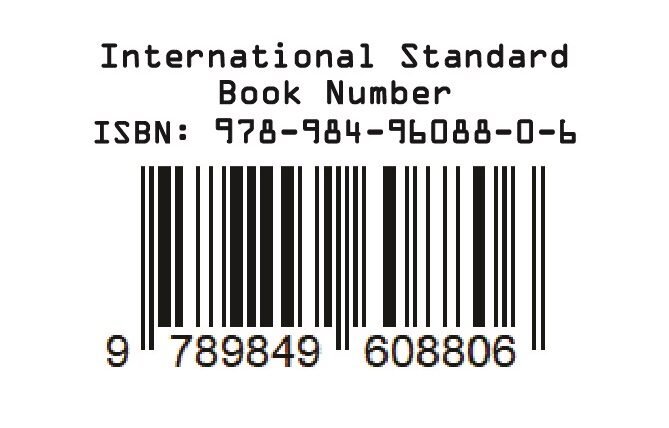
When you walk into a bookstore, every print book you pick up has something in common, a small pattern of black and white lines on the back cover. That little box holds more power than it seems. A barcode is the key that connects your physical book to the world of sales, distribution, and inventory systems. Barcode generation for print books: For anyone planning to publish a book, whether through a traditional book publisher or as an independent author, understanding barcode generation is one of the final but most important steps before going to print. Many first-time authors focus heavily on writing, editing, and book illustration, but often overlook the technical details that make their book ready for sale.
A barcode is more than just a design element, it is a bridge between your creative work and the marketplace. It ensures your book can be tracked, priced, and sold everywhere, from local stores to global retailers. If you have ever thought, “I want to publish my book,” then knowing how to create a barcode is part of that journey. Whether you are printing physical copies or working with an ebook publisher for a digital release, learning about barcode generation gives you a clear understanding of how your book becomes an official, sellable product. It adds professionalism and makes your work recognizable to distributors and readers alike.
Why Barcode Generation for Print Books Matter
Every barcode is unique and linked to an ISBN number. The ISBN (International Standard Book Number) identifies your book’s edition, format, and publisher details. Without a barcode, your book cannot be properly cataloged or sold through most retailers. It is like having a product without a price tag, no one knows where it belongs or how to process it. For authors and publishers, barcode generation brings organization and credibility. It ensures that each version of your book is distinguished from others, especially if you have both paperback and hardcover editions. Even if you work with an ebook publisher, your print version still needs its own barcode for physical sales.
How Barcode Generation Works
How barcode generation works is a mix of simple math, precise formatting, and practical design choices that turn an ISBN into a scannable bridge between your book and retailers. First, an ISBN is assigned to a specific edition and format of your book, which tells booksellers and libraries exactly which title they are looking at, then that ISBN is converted into a barcode pattern using a standard encoding scheme so scanners can read it quickly. A generator or design tool calculates the required check digit, lays out the vertical bars and spaces, and produces an image, ideally as a vector file so it scales without losing clarity. Next comes placement and sizing, where the barcode must sit on the back cover with a clear quiet zone around it, and be large enough and high enough in contrast to scan easily under store lighting and during inventory checks.
Color choices matter, so most designers print the bars in solid black on a white background rather than over textured or illustrated areas, and they export the barcode at print ready resolution so the printer can reproduce crisp lines. Before final printing it is wise to test the barcode with a scanner or a phone app to confirm it reads the ISBN and shows the correct price or metadata, and to coordinate with your book illustration and cover layout so the barcode looks integrated rather than an afterthought. Whether you are working with a book publisher, deciding to publish my book independently, or coordinating with an ebook publisher for a future digital edition, understanding these steps ensures your print book is ready to reach bookstores and readers.
Common Mistakes to Avoid
Some new authors assume they can skip the barcode if they only sell online, but that limits their reach. Even if your book is sold through print-on-demand services, having a barcode ensures it can be stocked in bookstores later. Others may use low-resolution barcodes that print blurry or are placed over textured backgrounds, making them unreadable. Always double-check the clarity and placement before final printing.
In the end, barcode generation for print books may seem like a small technical step, but it carries big importance in the publishing world. It connects your creativity to the business side of book publishing. For anyone thinking, “I am ready to publish my book,” remember that every professional print book, whether from a major book publisher or an independent author, includes a properly generated barcode. It is the finishing touch that turns your story into a real product ready for readers everywhere. When you combine good writing, thoughtful book illustration, and the right publishing details, your book stands out as both creative and credible. Barcode generation is not just about numbers and lines, it is about giving your hard work the visibility and recognition it deserves.