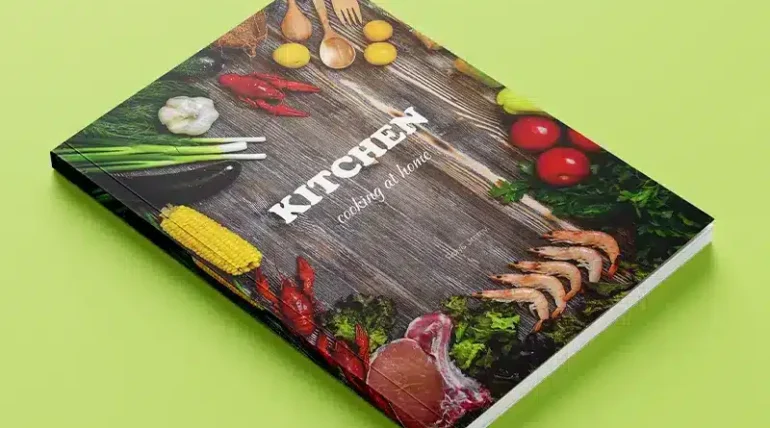
There is something truly special about flipping through the pages of a real cookbook. The way each recipe feels alive, the little stains that tell stories of kitchen experiments, and the handwritten notes in the margins make printed cookbooks timeless treasures. In an age where digital recipes flood our screens, the charm of a paperback cookbook remains unmatched. It is not just a book filled with instructions, it is a personal connection to flavors, memories, and creativity. For anyone dreaming of sharing their recipes with the world, paperback cookbook printing is the perfect starting point. It is practical, affordable, and wonderfully personal.
Whether you are a passionate home cook, a professional chef, or someone who simply wants to preserve family recipes, turning your ideas into a beautifully printed cookbook can be incredibly rewarding. Creating a cookbook is about more than printing pages. It is about curating your best dishes, pairing them with thoughtful book illustrations, and presenting them in a format that readers will love to hold. This guide will walk you through everything you need to know about paperback cook book printing, from planning your recipes and layout to working with book publishers or deciding if you want to publish your book independently. By the end, you will have a clear understanding of how to bring your culinary vision to life in print form.
Understanding the Process of Paperback Cookbook Printing
The process of creating a cookbook starts with deciding on the type of book you want to produce, whether it’s a family recipe collection, a professional chef’s guide, or a themed book on baking, healthy meals, or quick dinners. Good organization is crucial, with sections, an index, and clear instructions to make recipes easy to follow. When printing a paperback cookbook, consider the reader’s kitchen needs, making the text easy to read and allowing room for notes or adjustments.
Designing the Perfect Look with Book Illustration
A cookbook’s visual appeal is crucial, and book illustration plays a significant role in this. From charming drawings to vibrant photography, illustrations add warmth and style, helping readers visualize recipes and creating a strong emotional connection. Some authors prefer hand-drawn illustrations for a cozy feel, while others opt for full-color photos for every detail. Consistency is key, and a professional designer can help turn creative ideas into beautiful visuals and format images for paperback cook book printing, ensuring crisp and clear content.
Working with Book Publishers or Going Independent
Cookbook publishing can be done through traditional book publishers or independently. Traditional publishers handle printing, editing, and distribution, ensuring your book meets professional standards but can be time-consuming and limit creative control. Self-publishing offers faster progress and full control over the project, allowing authors to choose every detail from design to pricing. They can work directly with printing services, manage sales, and build their brand. Self-publishing also offers flexibility in updating content or creating new editions later. Both options offer benefits in reaching a larger audience and maintaining creative control.
The Role of Ebook Publishers in Modern Cookbook Creation
Although paperback cook book printing has a special charm, digital publishing has its place too. Many cooks now release both print and digital versions of their cookbooks. Working with an ebook publisher can help you reach a wider audience, especially readers who love to browse recipes on tablets or smartphones. An ebook version allows for clickable links, embedded videos, and quick access to ingredient lists. It can complement your printed book beautifully, offering convenience without replacing the magic of flipping through real pages. Combining both formats can increase visibility and sales while catering to different reader preferences.
Tips for a Successful Paperback Cookbook Print Experience
To create a unique cookbook, prioritize quality and authenticity. Choose a durable paper type, matte or glossy finish for a modern look, and carefully consider font choices, color schemes, and margins. Check a proof copy before printing to review layout, spacing, and image quality. Consider how readers want to experience your book, including personal notes, stories behind recipes, and helpful tips. These small touches can transform your book from a simple recipe collection into a treasured resource for readers. This ensures your cookbook stands out and is a valuable addition to your collection.
Bringing Your Culinary Vision to Life Through Paperback Cookbook Print
Creating a cookbook is both an art and a journey. It takes time, patience, and creativity, but the result is deeply satisfying. Through thoughtful design, engaging book illustration, and smart publishing choices, you can turn your culinary ideas into a beautifully printed reality. Whether you work with book publishers, choose to publish my book independently, or explore an ebook publisher to expand your reach, your cookbook will become a lasting reflection of your passion. With paperback cook book printing, your recipes will not only fill kitchens with delicious aromas but also inspire readers for years to come.
In the end, paperback cookbook printing is a creative and professional way to turn recipes into lasting keepsakes. It combines beautiful illustrations, thoughtful design, and smart publishing choices, allowing for a personal and professional feel. This process can be done independently or with book publishers, allowing creativity to shine. Partnering with an ebook publisher can also expand the audience, making your culinary ideas tangible and timeless.