
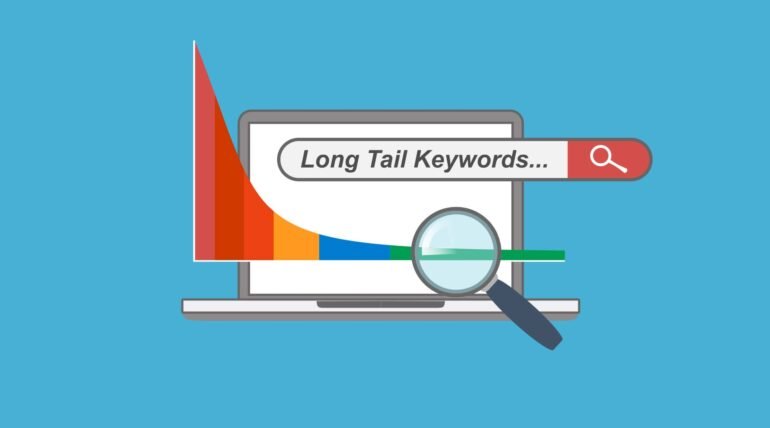
Writing a book is often the dream. Getting that book seen is the real challenge. Many indie authors step into the publishing world with a burst of excitement, only to find that visibility is not as simple as putting a story out there. Long-tail keywords for indie authors: beyond book titles: Search engines hold a huge amount of influence over who discovers your work, so understanding how readers search is essential. This is where long tail keywords come in. They are not flashy or obvious, but they can quietly lift your presence in search results and help you reach the readers who truly want what you offer.
The journey to understanding them should not feel technical or intimidating. It should feel like a natural extension of your creative process. Think of long tail keywords as the small details that make a story believable. They are precise, real, and rooted in how people think. When you learn to use them, you open doors that many authors overlook. You create pathways for your ideal readers to find you without forcing your content into crowded spaces. This guide is here to offer a warm and practical look at how long tail keywords can shape your growth as an indie author.
Understanding what long tail keywords really do
Long tail keywords are longer search phrases that reflect specific reader intent. Instead of trying to compete for a broad phrase like fantasy novel you focus on descriptive phrases that match what your audience is genuinely searching for. These phrases feel natural in everyday language, which makes them powerful for search engines. With this approach, you can improve visibility even when you are working independently without the support of large book publishers.
Why Long-Tail Keywords for Indie Authors: Beyond Book Titles, benefit from detailed search phrases
Indie authors often juggle writing, editing, marketing, and building an audience. Long tail keywords lighten that load by helping your content surface in front of readers who are already interested in your niche. When someone searches for a very specific phrase, they are often looking for something that matches closely with what you already provide. This alignment creates a more authentic connection and increases the likelihood that your work resonates with the right people.
Moving beyond book titles and into rich keyword themes
A common mistake among authors is relying only on book titles or genre labels. Your audience searches for much more than that. They look for character types, writing styles, topics, and even emotional themes. Exploring these angles helps you build keyword lists that reflect the depth of your writing. For example, if you offer guidance on Book Illustration or writing craft topics, your keywords can reflect those areas even if they are not central to your book title. This creates a broader range of entry points for your audience.
How to discover the phrases your readers use
Start by listening to how readers talk in review discussion groups and online communities. Pay attention to the phrases they repeat, the questions they ask, and the problems they describe. These natural language patterns give you insight into what to target. Search tools can help as well, but your reader’s voice should always come first. When you combine these discoveries with your author goals, you create a keyword list that feels genuine rather than forced. This is especially helpful when you are marketing an Ebook publisher service or expanding your author brand into new formats.
Bringing long tail keywords into your content
Once you know the phrases that match your audience’s habits, you can weave them into blog post descriptions, guides, and newsletters. Let them flow within natural sentences instead of stuffing them into odd places. Search engines prefer clear and readable content, so prioritize clarity over complexity. Over time, these phrases support your visibility in a way that feels organic.
To conclude, long-tail keywords for indie authors: beyond book titles: long-tail keywords offer indie authors a chance to be discovered without shouting for attention. By moving beyond simple book titles and by paying attention to how readers genuinely search, you build a stronger and more authentic digital presence. Let your writing voice guide the way and allow these detailed phrases to support your growth on a path that feels both practical and creative.