
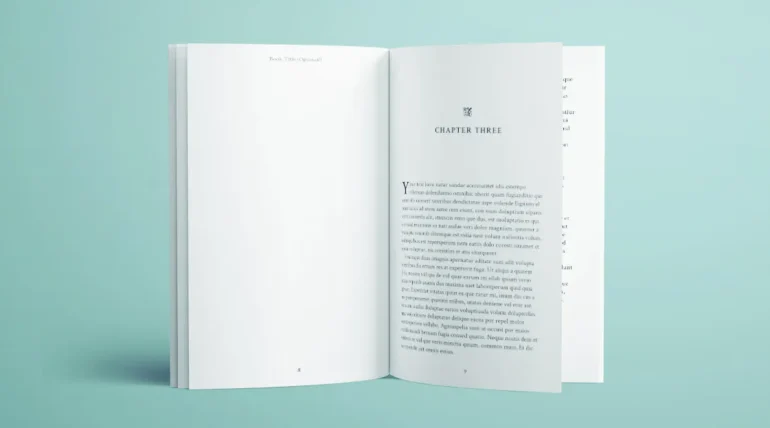
Picture this. You have finally completed your manuscript after endless nights of typing, rewriting, and editing. You have poured your heart into every page, every character, and every message you wanted to share. Now you are ready to publish your book, but something important still stands between you and your readers: the design that brings it all together. That is where professional paperback layout design steps in, turning your story from simple text into a beautifully crafted piece of art that invites readers to open the cover and start reading. Many authors underestimate the power of a good layout. They often believe that great writing alone will capture attention. The truth is, readers judge a book not only by its cover but also by its readability, spacing, and structure.
A poorly designed paperback can distract, confuse, and even discourage someone from finishing a story they might have otherwise loved. A professional paperback layout design creates balance, consistency, and flow, making each chapter easy to navigate and visually pleasing. Whether you are working with book publishers or planning to self-publish, understanding the layout process can change how readers experience your work. The right layout can make your words shine and your book feel truly complete. In this guide, we will explore how to bring your paperback to life through thoughtful design choices, what elements to focus on, and how these details help your book stand out in a competitive market.
Why Professional Paperback Layout Design Matters
The layout of a paperback book significantly impacts reader flow and the overall appearance of the book. Investing in professional layout design not only enhances the book’s appearance but also shows respect for readers’ comfort and attention. A well-structured layout ensures the text feels natural on the page, with margins, spacing, and font choices affecting how readers perceive the book. A properly designed layout allows readers to immerse themselves in the text without visual clutter. Beyond readability, layout design sets the tone, with classic serif fonts and wide margins in literary novels and clean typography in modern guidebooks. Each design decision reflects the story’s personality.
Elements That Shape a Strong Paperback Layout
Creating a professional-looking book starts with understanding the elements that shape its structure. Each component plays a vital role in achieving a polished final result.
- Font selection: The font sets the voice of your story before a reader even begins. Traditional fonts like Garamond or Baskerville often work well for fiction, while clear and modern fonts like Lato or Helvetica suit nonfiction. Consistency is key.
- Margins and spacing: Adequate white space allows the eyes to relax. It makes the text easier to read, especially during long sessions. Balanced margins also prevent words from slipping into the spine area.
- Paragraph structure: A clean paragraph layout with proper indentation and consistent alignment gives the pages a professional rhythm.
- Headers and page numbers: Subtle headers guide readers without drawing too much attention. Page numbers should be placed clearly but discreetly, usually at the bottom corners.
- Chapter openings: How each chapter begins sets the tone. Adding a decorative first letter or slightly larger title font creates a sense of anticipation.
- Consistency: The layout should feel uniform from beginning to end. Small inconsistencies can make the book look rushed or unfinished.
The Role of Visuals in Book Design
While the layout is primarily about text arrangement, visuals also play a strong supporting role. Elements like Book Illustration can elevate the reader’s experience and bring key scenes or ideas to life. Whether it is subtle sketches in chapter headers or full-page illustrations, the visual aspect can create emotional depth and add personality to your book. However, visuals must align with your story’s tone. Overly detailed illustrations in a minimalistic story might feel out of place. The goal is to complement the writing, not overshadow it.
Working with Book Publishers and Ebook Options
Professional paperback layout design: Once your design is complete, the next step is collaboration. Working with book publishers can help you refine your paperback design and ensure it meets industry standards. Many publishers offer design consultation as part of their process, guiding you on paper type, trim size, and binding options that match your genre. If you decide to publish independently, an ebook publisher can adapt your design for digital readers. This version requires specific formatting to ensure that text reflows correctly on different devices. Even though ebook layouts are flexible, maintaining a professional structure remains essential. Readers notice when text jumps unexpectedly or images do not align properly.
Whether your goal is to publish my book in print or digital form, focusing on layout quality from the start can prevent future complications and create a seamless publishing experience.
Common Mistakes to Avoid
Many first-time authors make the mistake of thinking that layout is a simple copy-and-paste task. In reality, it requires a keen eye and attention to detail.
- Inconsistent spacing: Irregular line or paragraph spacing makes pages look messy.
- Poor alignment: Text should line up evenly throughout the book.
- Overused decorative fonts: They might look stylish but often reduce readability.
- Ignoring page flow: Avoid ending chapters awkwardly at the top of a new page. Smooth transitions create better pacing.
- Lack of proofreading after design: Sometimes layout adjustments shift text. Always review the final version carefully.
Bringing It All Together with Professional Paperback Layout Design
Professional paperback layout design is crucial for presenting a book in a visually appealing way. It bridges the gap between storytelling and presentation, ensuring your message reaches the audience effectively. Decisions like font choice, margin balance, and book illustrations influence readers’ perception. Mastering these layout principles, whether working with book publishers or independently, ensures a captivating and credible story. Maintaining professional quality across formats strengthens your author brand. A great layout is more than structure; it invites and promises quality to readers.
In the end, professional paperback layout design is the finishing touch that transforms your manuscript into a book worth reading and sharing. A thoughtful layout enhances readability, showcases your creativity, and reflects your dedication as an author. From typography to spacing, from subtle Book Illustration to page flow, every element shapes how readers experience your story. Whether you work with book publishers, an ebook publisher, or plan to publish my book independently, investing in a professional design ensures your work stands out with style and credibility.