
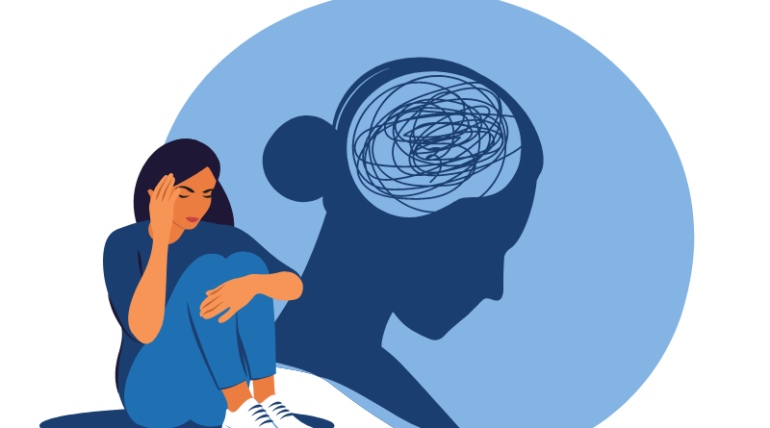
In a world that moves faster every day, our minds rarely get the space to pause. Anxiety, stress, and constant mental chatter have become normal companions for many of us. But what if there was a simple, gentle way to slow down, even if only for a few minutes? Microfiction for mental wellness: Microfiction, or extremely short stories, is emerging as a surprising tool to nurture mental wellness. Unlike traditional novels that demand hours of attention, microfiction invites readers to step into a complete world in just a few sentences. It is small yet profound, brief yet transformative. For those who have struggled to maintain a reading habit, microfiction offers an accessible entry point.
A single story can spark reflection, evoke emotion, or even provide a moment of calm in the middle of a hectic day. These tiny tales are not just about storytelling; they are about connecting with emotions, imagination, and mindfulness in a manageable way. Writers, illustrators, and readers alike are discovering that these compact narratives can act as a gentle therapy, allowing our minds to rest and reset. Book publishers and ebook publishers are increasingly exploring microfiction collections because of their ability to engage readers in a meaningful yet concise manner. The combination of simplicity and depth makes microfiction a unique ally for mental wellness.
Microfiction for Mental Wellness: The Art of Microfiction
Microfiction may be brief, but it is a complete art form. Every word counts, and every sentence carries weight. This precision requires creativity and mindfulness from both the writer and the reader. Unlike longer narratives, microfiction does not demand hours of attention, which can make it especially appealing in our overstimulated world.
Book illustration often accompanies microfiction to amplify its impact. A single image can evoke emotions that complement the words, creating a deeper connection between the reader and the story. This blend of visual and textual storytelling can be surprisingly therapeutic, as it allows the mind to wander while also focusing on the present moment. Microfiction is a special ally for mental wellness because of its depth and simplicity.
How Microfiction Supports Mental Wellness
Short stories can serve as mini escapes, providing a break from daily stress. When readers engage with microfiction, they are transported into imaginative worlds, allowing them to process emotions safely and thoughtfully. Even a story that lasts only a few minutes can inspire reflection, calm racing thoughts, and encourage mindfulness.
For those experiencing mental fatigue or anxiety, incorporating microfiction into daily routines can be a gentle exercise in emotional self-care. Reading a tiny story before bed, during a break, or at the start of the day can reset mental energy and cultivate a sense of peace. Ebook publishers are noticing this trend and creating collections that cater to readers seeking mental wellness through literature.
Creating Your Own Mental Wellness Microfiction
Writing your own microfiction can be just as powerful for mental wellness as reading it. Crafting tiny stories requires focus, presence, and intention, which can help calm a busy mind and process emotions in a healthy way. Even brief narratives allow for self-expression, reflection, and emotional release, giving shape to fleeting thoughts or feelings. You do not need to be a professional writer to benefit from this practice; experimenting with microfiction can be a personal tool for growth and mindfulness. Collaborating with a book publisher or exploring opportunities through an ebook publisher can also bring your stories to a wider audience, while book illustration can enhance the emotional impact of your words, turning a few sentences into a memorable and calming experience.
To sum up, microfiction for mental wellness: microfiction may be small in size, but its impact on mental wellness is significant. These tiny stories allow readers to pause, reflect, and reconnect with their emotions in ways that longer narratives may not. Whether through reading or writing, microfiction encourages mindfulness, creativity, and emotional balance. In a world that often feels overwhelming, tiny stories offer a quiet refuge. They remind us that even the briefest moments of reflection and imagination can nurture our minds and bring a sense of peace. By embracing microfiction, we are not just consuming literature; we are cultivating wellness, one small story at a time.