Imagine spending years pouring your heart into a manuscript, only to realize the hardest part is not writing it but getting it out into the world. Many aspiring authors have faced the same question: how do I publish my book without spending a fortune or waiting endlessly for a traditional publisher to notice me? The answer that keeps growing in popularity is print-on-demand publishing. In 2025, the publishing world looks very different from what it was just a decade ago. Technology has opened doors that were once tightly guarded by big publishing houses. Writers, illustrators, and even small businesses are discovering that they can share their work globally with just a few clicks. No massive printing runs, no warehouses full of unsold copies, and no frustrating rejection letters.
Print on demand publishing has given creators freedom, control, and flexibility that once seemed impossible. What makes it even more appealing today is how seamlessly it connects creativity with technology. A writer can design a cover, upload their manuscript, choose the format, and see their work printed only when someone orders it. This method doesn’t just reduce waste; it brings personalization and independence into the spotlight. If you’ve ever dreamed of becoming your own book publisher or wondered how self publishing really works in the digital era, this process might just be your perfect match. Let’s explore how print-on-demand publishing works in 2025 and why it’s shaping the future of modern storytelling.
Understanding Print-on-Demand Publishing
Print on demand publishing is a digital process that prints books only when an order is placed, eliminating large printing costs and storage needs. It connects writers directly with readers, reducing the gap between creativity and consumption. Authors feel empowered as they take control of the entire process, from writing to cover design and illustration. Modern print-on-demand platforms have improved in quality, with professional paper, vivid covers, and printing precision that rivals traditional methods. Readers often cannot tell the difference between a print-on-demand title and one from a major publishing house.
The Process Behind It
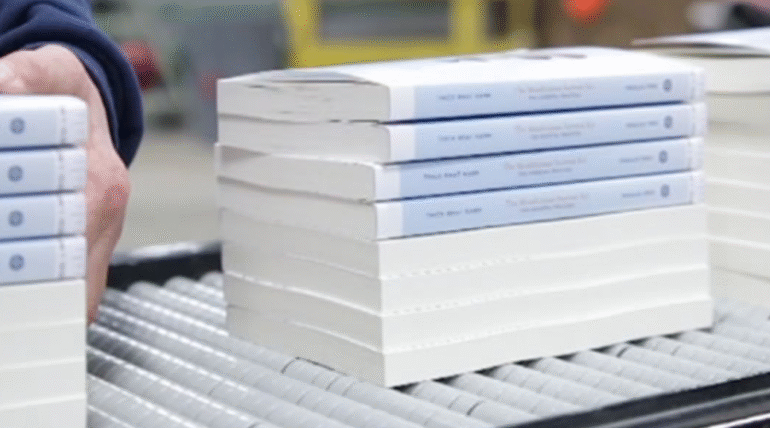
The workflow behind print-on-demand publishing is surprisingly straightforward. It begins when an author decides to publish their book or ebook independently. After completing the manuscript, the author uploads the file to an online publishing platform. Then comes the design stage, which includes layout formatting, cover art, and book illustration to make the project visually appealing. Once the book is ready, it’s listed online for readers to discover. Whenever someone places an order, the system prints a fresh copy, binds it, and ships it directly to the buyer. No overprinting, no unsold inventory, and no wasted money. This means authors can keep updating or improving their books at any time. For readers, the experience feels instant. They get freshly printed books, while authors earn royalties without worrying about logistics. Ebook publishers have even integrated print-on-demand options, allowing readers to choose between a digital version or a physical copy.
Benefits for Modern Authors
Print-on-demand publishing has become a game changer for creative minds. For one, it lowers the barrier to entry. Writers who might not have had the funds or connections to publish traditionally now have a viable path to bring their stories to life. It also encourages diversity in the publishing world. Instead of only bestsellers and mainstream topics, readers can now explore niche subjects, poetry collections, or unique artistic collaborations. Every voice has space to be heard.
The financial model is also appealing. Since you don’t pay for large print runs, the upfront costs are much lower. You only pay when a copy sells, making it a safer and more flexible option. This model is especially beneficial for first-time writers and creative entrepreneurs who are testing their ideas. Perhaps the most rewarding part is the creative freedom. Authors decide everything from the font and layout to the tone of the book description. If you’ve ever thought, “I want to publish my book exactly how I imagine it,” print-on-demand makes that possible.
The Role of Technology in 2025
By 2025, automation and artificial intelligence have made the publishing process faster and smarter. Editing tools now offer real-time feedback, while cover design software can suggest layouts based on genre and tone. Even book illustrations can be enhanced using digital art programs that blend human creativity with intelligent design assistance. These advancements make it easier for anyone to become a self publishing author without needing technical expertise. The quality control process has also improved, ensuring that every printed copy meets professional standards.
Technology has made publishing not only efficient but also environmentally friendly, reducing paper waste and transportation emissions. Ebook publishers have joined this wave by integrating print-on-demand options, offering readers a seamless mix between digital and print experiences. The combination of flexibility, eco-consciousness, and accessibility defines how print on demand publishing operates in today’s world.
Why Authors Love This Approach
Authors love print-on-demand because it lets them focus on what matters most to their creativity. There’s no need to worry about finding a warehouse, negotiating with distributors, or handling returns. Once your book is set up, the system takes care of printing, packaging, and delivery. For independent writers, this level of freedom is priceless. You can update your book anytime, release special editions, or test new cover designs. It’s publishing on your terms. Readers benefit as well. They get access to fresh voices and stories that might never have reached bookstores otherwise. This creative exchange between author and audience is what makes print on demand publishing feel personal and alive.
The Future of Print-on-Demand Publishing
As 2025 continues to unfold, it’s clear that the publishing landscape will keep evolving. Traditional book publishers still have a role, but they are now sharing space with a new generation of independent creators. The balance of power is shifting toward those who tell their stories authentically rather than those who fit a formula. Print-on-demand publishing isn’t just a trend. It’s a movement toward creative independence, sustainability, and innovation. It gives storytellers the chance to dream big and act fast, without losing control of their vision. Whether you’re a poet, a novelist, or someone with a story to tell, this model offers you the tools to turn your passion into something tangible. It’s never been easier to share your voice with the world and in 2025, that voice has more power than ever.