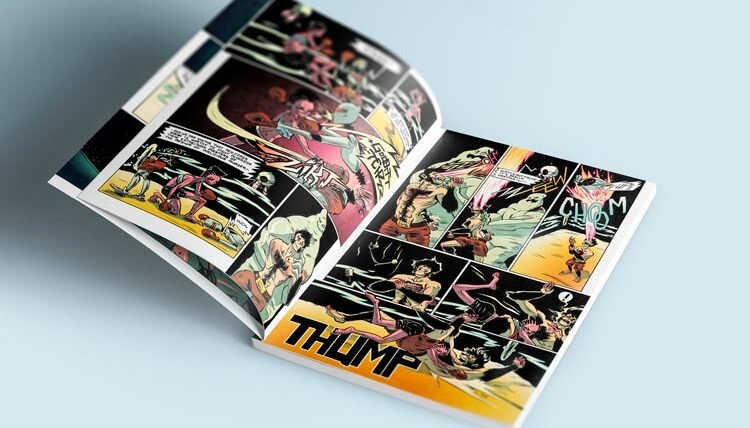
There is something timeless about holding a comic book in your hands. The weight of the pages, the vivid colors of the illustrations, and the satisfying sound of flipping through a story panel by panel bring a sense of connection that digital screens can never replace. For many small publishers, this physical experience is not just a nostalgic touch, it is a business opportunity that blends creativity with accessibility. In a world overflowing with digital media, the charm of paperback comic book printing has not faded. Instead, it has evolved into a powerful tool for independent creators who want to reach audiences through something tangible. While digital comics and online platforms are convenient, they often lack the sense of ownership that readers feel when they can hold a beautifully printed comic.
This is where small publishers step in, turning artistic dreams into real products that can be shared, sold, and cherished. Whether you are an illustrator, a storyteller, or someone looking to publish your book for the first time, the world of comic printing offers endless possibilities. It gives you the creative freedom to bring your characters to life and the professional edge needed to compete with larger publishing houses. Most importantly, it empowers small teams and independent creators to produce something that truly reflects their vision. In this growing creative landscape, paperback comic book printing is not just a method, it is a movement that celebrates imagination, storytelling, and independence.
Paperback Comic Book Printing: The Rise of Small Publishers
Small publishers are revolutionizing the comic industry by offering affordable printing options and creative tools, enabling independent creators to make a significant impact without a large budget or corporate backing. These publishers, often working directly with artists and writers, create a personal and collaborative process, allowing creators to experiment with different artistic styles, storylines, and illustrations. This flexibility allows each publication to stand out and provide readers with unique and genuine content. Additionally, small publishers build loyal fan bases through conventions, local events, and online communities, boosting sales and providing creators with valuable feedback.
Freedom in Self Publishing
Self publishing has opened doors for creators who once struggled to get their stories noticed. In the past, publishing a comic meant waiting for approval from large publishing companies. Today, you can take control of the entire process. From writing and designing to printing and marketing, everything can be managed according to your timeline and vision. This freedom allows artists to keep their creative identity intact. You do not have to compromise your style or message to fit someone else’s idea of what will sell. Self publishing also gives you the power to decide how your book looks, feels, and reaches the audience. Whether you want a limited run for collectors or a wide release for comic enthusiasts, the choice is completely yours. And when it comes time to publish my book, modern printing services have made it easier than ever. The combination of quality, speed, and affordability means even small runs can look professional. That accessibility has made the dream of seeing one’s own work in print a reality for countless independent creators.
The Role of Book Illustration
Book illustration is at the heart of every great comic. It is what draws readers in before a single word is read. For small publishers, illustration is not just decoration, it is storytelling in its purest form. The way colors, expressions, and settings are portrayed can shape the entire emotional tone of a story. Many small publishers collaborate closely with illustrators, building creative partnerships that help both sides grow. This collaboration often results in visually stunning comics that stand apart from mass-produced titles. The beauty of these partnerships is the personal touch, where every frame reflects the passion of its creators. In this environment, illustrators are not just contributors, they are co-authors of the story. Their input on character design, layout, and visual pacing gives the final product a distinct and memorable identity. It is one of the key reasons why readers love supporting small publishers, who often deliver art that feels alive and full of personality.
The Connection Between Print and Digital
While paperback comic book printing gives readers something tangible, digital publishing is still an important part of the modern industry. Many small publishers use both methods together, offering physical books for collectors and digital versions for convenience. Ebook publisher platforms allow creators to reach audiences across the world instantly, while printed editions serve as collectible items that fans treasure. This balance between digital and print helps small publishers expand their reach without losing the magic of physical storytelling. By combining the strengths of both worlds, independent creators can attract new readers online while still satisfying long-time fans who value the experience of holding a comic in their hands.
Why Paperback Comic Book Printing Empowers Independent Creators
Paperback comic book printing is a cost-effective and accessible way for small publishers to compete with larger companies. It showcases the creator’s passion and hard work, providing a fresh avenue for expanding their creative portfolio. For artists, it offers validation and pride, while readers can connect with the beautiful artwork. Self-publishing is no longer a distant dream or risky investment. With the right tools, dedication, and creativity, any independent creator can publish their book in vibrant color and texture. Paper back comic book printing is an invitation to tell meaningful stories, create lasting pieces, and inspire others. In the hands of small publishers and passionate creators, it serves as a bridge between imagination and reality, a bridge every storyteller deserves to cross.
In conclusion, paperback comic book printing gives small publishers and independent creators the chance to bring their stories to life in a tangible and meaningful way. It combines creativity, accessibility, and professionalism, allowing artists and writers to control their vision from concept to print. With self publishing and modern printing options, producing a high-quality comic is no longer limited to big publishers. It is now an open path for anyone ready to share their imagination, connect with readers, and build something lasting.