
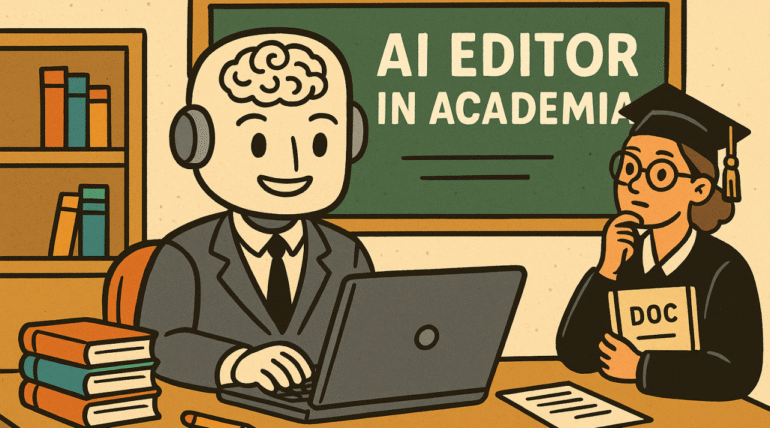
Writing has always been an intimate process. There is something profoundly human about putting words on paper, shaping ideas from the mind into something tangible that others can connect with. Yet, in recent years, artificial intelligence has become a part of the writer’s toolbox. Ethical AI co-writing practices: The thought of collaborating with an AI can feel like inviting a stranger into your creative space, and for many writers, it raises questions about authenticity, originality, and integrity. The challenge today is not whether AI can help, but how it can help without compromising the ethical standards writers hold dear.
For modern writers, the reality is clear: AI is here to stay. From suggesting story ideas to refining prose, it can streamline parts of the writing process, making the journey from concept to finished manuscript smoother. But this convenience comes with responsibility. A conscientious approach ensures that the AI serves as a co-creator rather than replacing the writer’s voice. This is particularly important for book publishers, ebook publishers, and self publishers who rely on unique and authentic content to build trust with readers. Ethical practices are not about limiting technology, but about guiding it in ways that respect intellectual property, originality, and human creativity. By understanding the boundaries and opportunities of AI co-writing, writers can produce content that is not only polished but also meaningful, maintaining the human touch that readers value most.
Ethical AI Co-Writing Practices: Understanding the Role of AI in Writing
AI can act as a brainstorming partner, a line editor, or even a source of inspiration. It can help generate book illustration ideas or suggest ways to structure chapters more effectively. Yet, writers must remember that the AI does not possess lived experience or emotional depth. Its suggestions are patterns derived from data, not reflections of human insight. Treating AI as a collaborator rather than a replacement preserves the writer’s creative authority. This mindset is essential for ebook publishers and self publishers aiming to produce authentic work that resonates with readers.
Maintaining Originality and Authentic Voice
One of the most important ethical practices in AI co-writing is safeguarding your voice. AI can draft sentences or offer alternative phrasing, but the core ideas, narrative tone, and unique perspective must remain yours. For book publishers, originality is a key marker of quality. Using AI responsibly means reviewing every suggestion carefully, ensuring it aligns with your intent, and making thoughtful edits. The goal is not speed or convenience, but a finished product that reflects your creativity.
Respecting Intellectual Property
Writers must also consider intellectual property when working with AI. AI-generated content may incorporate elements from existing works without clear attribution. Ethical co-writing requires vigilance to avoid accidental plagiarism. This is especially relevant for book illustration ideas and textual content provided by AI tools. Ebook publishers and self publishers who embrace ethical practices ensure that their content respects copyright laws and maintains credibility with readers.
Transparency and Accountability
Transparency with readers and collaborators is another key aspect of ethical AI co-writing. Being open about the use of AI tools, whether in drafting or editing, fosters trust and demonstrates accountability. For modern writers, this honesty can enhance credibility, distinguishing their work in a crowded literary landscape.
In the end, ethical AI co-writing practices are about balance. They allow writers to harness the benefits of technology while preserving creativity, originality, and integrity. By co-creating consciously, modern writers can collaborate with AI in ways that support their voice, respect intellectual property, and produce meaningful work. Whether you are a book publisher, ebook publisher, or a self publisher, embracing these practices ensures that AI becomes a tool for innovation rather than a compromise on ethics. Ultimately, the future of writing lies in conscious collaboration, where human imagination remains at the heart of every story.