
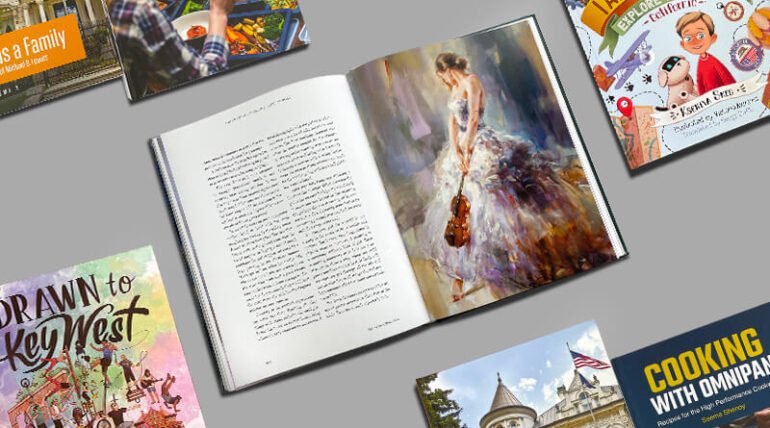
Publishing a book today involves far more decisions than simply writing the manuscript. Authors must choose the formats that best suit their audience, distribution goals, and marketing strategy. Paperback, hardcover & ebook publishing each offer distinct advantages and challenges, making it essential for authors to understand how these options affect visibility, cost, and reader experience. Selecting the right format is a critical step in ensuring that a book reaches the intended audience effectively.
Many authors assume that choosing a single format is enough, but the most successful titles often combine multiple options. Paperback editions remain popular for their affordability and ease of distribution, while hardcover versions appeal to collectors and gift buyers who value durability and presentation. Ebook publishing opens the door to global distribution and instant accessibility, allowing readers to download a book in seconds. Understanding the differences between these formats helps authors make informed decisions that align with both creative goals and commercial outcomes.
Choosing the right combination of formats is also influenced by the book’s genre, pricing strategy, and marketing plan. For example, a literary fiction novel may benefit from a hardcover launch to create a premium impression, followed by paperback and ebook editions to expand reach. Nonfiction books aimed at educational or professional audiences often see strong performance across all formats, providing both accessibility and authority. Authors who carefully consider their publishing strategy are more likely to maximize sales and reader engagement.
Paperback, Hardcover & Ebook Publishing Options Explained
Paperback, hardcover, and self publishing each provide unique pathways to reach readers. Paperback editions are lightweight, cost-effective, and widely preferred by casual readers. They are easier to produce and distribute, making them a practical choice for authors seeking broad market penetration.
Hardcover books offer durability and a premium feel that appeals to collectors and gift buyers. They often create a strong first impression and can support higher pricing, which may enhance perceived value. Hardcover releases also provide an opportunity for special launch campaigns that generate attention and credibility in the market.
Ebook publishing provides immediate global distribution and instant access for readers. Digital editions are especially useful for reaching international markets and tech-savvy audiences. They also reduce printing costs and allow for flexible pricing strategies that can encourage impulse purchases.
Authors often combine these formats to create a layered approach. A hardcover launch followed by a paperback edition, complemented by an ebook release, ensures both visibility and accessibility. This approach allows authors to appeal to different segments of readers while optimizing production costs and revenue potential.
Marketing Strategies For Multi-Format Releases
Once formats are selected, marketing plays a crucial role in driving visibility and sales. Multi-format releases offer unique opportunities for targeted campaigns. Hardcover editions can be promoted as premium offerings during launch events, book signings, or gift guides, creating an initial buzz.
Paperback editions can then be highlighted for accessibility and affordability, making them ideal for promotions, bundle deals, or wider retail distribution. Ebook editions provide opportunities for digital campaigns, email marketing, and social media promotions that target tech-savvy or international audiences.
Authors can also leverage reviews and endorsements strategically across all formats. Positive feedback on one edition often encourages readers to explore other formats, creating a ripple effect that drives long-term sales. Cross-format marketing reinforces the children’s book’s presence in multiple channels and strengthens brand recognition for the author.
Distribution Channels And Pricing Considerations
Effective distribution is critical for maximizing the impact of multiple formats. Paperback and hardcover editions often perform well through bookstores, online retailers, and direct sales, while ebooks publisher thrive on digital platforms and subscription services. Understanding where each format resonates most with readers ensures that the book is widely available and accessible.
Pricing strategy also varies by format. Hardcover editions typically command higher prices due to production costs and perceived value. Paperback pricing balances affordability with profitability, while ebook pricing can be adjusted for promotional campaigns, international markets, or discounted offers. Authors who align pricing with audience expectations and format benefits often see stronger performance across all editions.
Marketing, distribution, and pricing work together to ensure that each format reaches the intended audience effectively. In the midbody, paperback, hardcover, and ebook publshers strategies are most successful when authors monitor sales data and adjust tactics for optimal performance.
Maximizing Reach With Multi-Format Publishing
Paperback, hardcover & ebook publishing offer complementary ways for authors to reach diverse audiences. Each format has unique advantages that cater to different reader preferences, price points, and distribution channels.
By combining formats strategically, planning marketing campaigns, and monitoring performance, authors can maximize visibility, engagement, and long-term sales. Multi-format publishing ensures that a book is accessible, appealing, and positioned for success across the modern reading landscape.