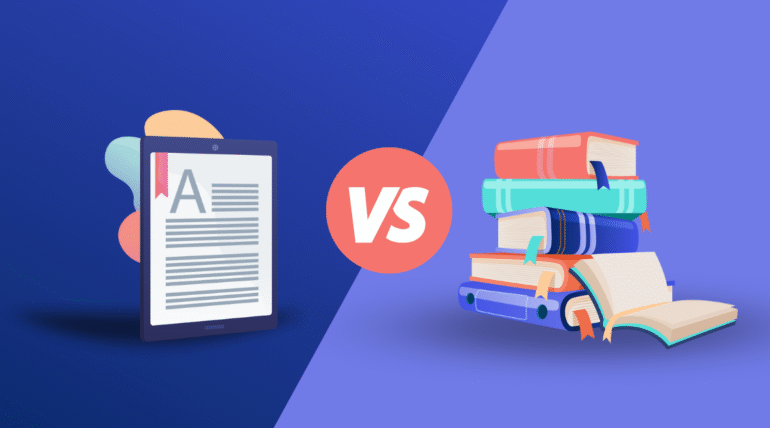
Writers entering the publishing world often pause at one important decision: Should I publish ebook or paperback first. The choice shapes the budget, timeline, marketing strategy, and how readers first experience the content. Each format offers advantages, and the right option depends on goals, audience, and resources available at the start.
Digital publishing allows faster release, lower upfront cost, and easier updates. Print publishing offers a physical presence, perceived credibility, and a different reading experience. Many first-time authors feel uncertain because both formats seem valuable, yet launching both at once can feel overwhelming.
Understanding the strengths and limitations of each format helps simplify the decision. Authors who evaluate their priorities clearly often feel more confident and prepared for the launch process. The focus should not only be on which format comes first but also on how it supports long-term self publishing plans. A thoughtful approach ensures the first release creates momentum rather than confusion.
Should I Publish Ebook Or Paperback First For Beginners
Should I publish the ebook or paperback first is often answered by considering speed and accessibility. Digital publishing allows authors to release their work quickly and make updates without major expense. This flexibility helps new writers learn from reader feedback and refine their content.
Ebooks also reach global readers instantly. Without printing or shipping requirements, distribution becomes easier and more scalable. Authors can test pricing, messaging, and audience response before committing to print production.
Paperbacks, on the other hand, provide a tangible experience that some readers strongly prefer. Physical children’s books can feel more permanent and may carry emotional value for both authors and audiences. The choice depends on whether the goal is rapid reach or physical presence.
Cost And Time Considerations For Each Format
Budget often plays a major role in deciding which format to release first. Digital publishing requires minimal production cost compared to print, making it accessible for new authors. Editing, formatting, and cover design remain essential, but printing expenses are not required.
Paperback publishing introduces additional steps. Printing setup, distribution logistics, and production timelines require more planning. Authors must consider inventory management and delivery expectations if demand grows.
Time also influences the decision. Ebooks can be prepared and released faster, allowing authors to build early momentum. Print editions typically take longer due to formatting adjustments and production preparation. Choosing based on available time and resources helps reduce stress during the launch process.
Reader Preferences And Market Reach
Understanding audience behavior provides valuable insight. Some readers prefer the convenience of digital reading, while others value the tactile experience of print. Identifying where the target audience spends time helps guide the decision.
In many cases, should i publish ebook or paperback first becomes clearer after observing reader engagement patterns. Digital formats allow authors to reach wider audiences quickly, especially in the early stages of building recognition.
Paperbacks often work well for events, personal branding, and readers who enjoy collecting physical books. They can strengthen credibility and create deeper emotional connections. Both formats serve important roles, but starting with one depends on how authors want to position their work initially.
Marketing Impact Of Format Choice
The chosen format influences promotional strategy. Ebooks support fast campaigns, quick updates, and flexible pricing. Authors can experiment with messaging and refine their approach based on reader reactions.
Paperbacks contribute to visual presence and can enhance perception. A physical book can be displayed, shared, and gifted, which supports word-of-mouth exposure. This visibility may help authors establish authority in their niche.
Marketing also depends on timing. Launching digitally first allows testing and learning before expanding into print. Starting with print may create a stronger first impression, but it requires more preparation. Aligning format choice with marketing goals ensures consistency and clarity.
Long-Term Strategy And Publishing Growth
The first release is part of a larger journey. Authors who think beyond a single launch often make more strategic decisions. Choosing one format initially does not limit future options. Many writers expand into additional formats once they understand audience behavior.
Experience gained from the first release shapes future planning. Feedback, engagement, and performance insights help authors improve both content and presentation. This learning process strengthens long-term publishing success.
Balancing speed, cost, and reader expectations creates a more confident path forward. Writers who remain flexible and open to adjustments often achieve stronger results across multiple releases.
Ultimately, should i publish ebook or paperback first depends on priorities, resources, and long-term goals. Authors who seek quick reach and lower investment may begin with digital, while those focused on physical presence may start with print. Either path can lead to success when supported by thoughtful planning, consistent promotion, and a clear understanding of the audience.