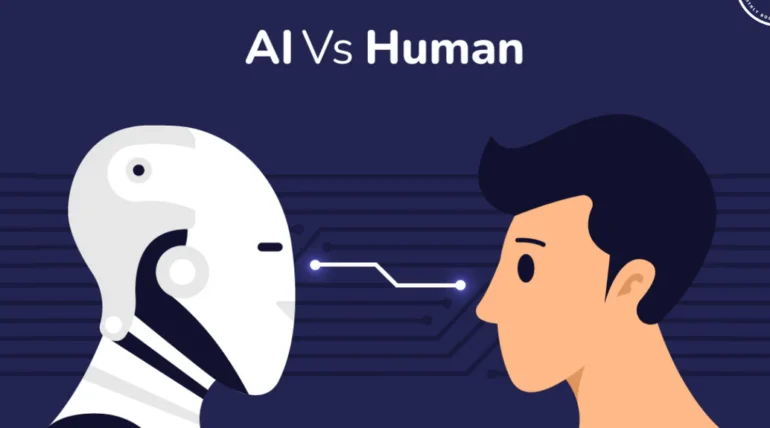
Writing has always been a deeply human craft, filled with creativity, emotion, and intuition. But as technology continues to advance, the process of shaping words and refining stories has transformed in ways few could have imagined. The concept of artificial intelligence is no longer unattainable. It is a practical companion that assists writers, editors, and even self publishers in creating and improving content. Yet, the big question remains. Can AI truly match the sensitivity and judgment of a human editor? AI vs human editing: hybrid approach for writers: Imagine a writer working on a new book, unsure if every sentence flows smoothly or if the tone fits the story.
With AI editing tools, they can instantly identify grammar errors, detect inconsistencies, and even suggest alternative word choices. This support saves time and sharpens the text. However, while the machine can correct technical flaws, it cannot grasp emotion the way a human can. A human editor senses the rhythm, tone, and purpose behind the words. They understand when a pause builds tension or when a phrase captures the essence of a character. This is where the hybrid approach emerges. Writers are discovering that combining AI efficiency with human creativity creates the perfect balance. The hybrid writer embraces both technology and intuition, blending machine precision with emotional insight.
Why Writers Are Embracing AI Assistance
AI tools have become reliable companions for many writers. They simplify tasks like grammar correction, content structure, and readability checks. For book publisher teams, these tools reduce editing time and ensure consistency across manuscripts. In the same way, an ebook publisher can use AI to scan through vast amounts of content, ensuring every digital page is error-free before release.
But the real benefit lies in freeing up creative energy. When machines handle repetitive tasks, writers can focus more on storytelling, style, and message. This shift encourages experimentation and faster content creation without losing quality. It also helps self publishers who manage their own editing and production. With limited resources, they can use AI tools to polish their manuscripts while still keeping full control of their creative direction.
AI vs Human Editing: Hybrid Approach for Writers: The Human Touch That AI Cannot Replace
Despite the convenience AI provides, it cannot replace the human editor’s intuition. A machine cannot feel the emotional weight of a line or sense when dialogue sounds unnatural. Human editors bring empathy, cultural understanding, and storytelling instincts that no algorithm can mimic.
When refining a novel or working on book illustration details, human insight ensures that every image and word aligns with the author’s vision. This understanding goes beyond surface-level grammar or structure. It reaches the heart of communication, something that connects directly with readers.
AI may suggest replacing a phrase that sounds too emotional, but a skilled editor might recognize that the emotion is exactly what makes the story authentic. This human perspective keeps literature alive with warmth and personality.
The Rise of the Hybrid Writer
The hybrid writer represents a new generation of creators who combine AI power with human artistry. They understand how to let technology support their goals without letting it define their voice. Instead of choosing between human or machine, they use both to elevate their craft.
This trend is also transforming how publishers approach editing. A book publisher now often relies on a mix of digital and traditional review processes. The same is true for an ebook publisher, where digital content must meet both technical and artistic standards. Even self publishers are adopting hybrid methods to stay competitive and professional.
The hybrid writer sees AI as a collaborator, not a competitor. The writer’s creativity gives the story its heart, while AI ensures clarity and polish. Together, they produce work that is both emotionally engaging and technically precise.
The Future of Creative Editing
The future of writing and editing will not be a contest between humans and machines but a partnership. AI will continue to evolve, learning from human input, while human editors will use these tools to expand their capabilities. For anyone involved in storytelling, from book illustration artists to editors and publishers, this collaboration offers limitless opportunities.
In this new age, success belongs to those who understand balance. The hybrid writer stands at the intersection of innovation and imagination, shaping stories that resonate with readers across every format. Whether in print, digital, or illustrated form, the power of combining AI and human skill is defining the future of creative expression.
In the end, AI vs human editing: hybrid approach for writers: the future of writing belongs to those who embrace both technology and creativity. AI brings speed and precision, while human editors preserve depth and emotion. Together, they form a partnership that enhances every stage of storytelling. Whether you are a book publisher, ebook publisher, or one of many self publishers, this hybrid approach ensures that your work remains both polished and powerful. The rise of the hybrid writer marks a new era where innovation and imagination move forward side by side.