
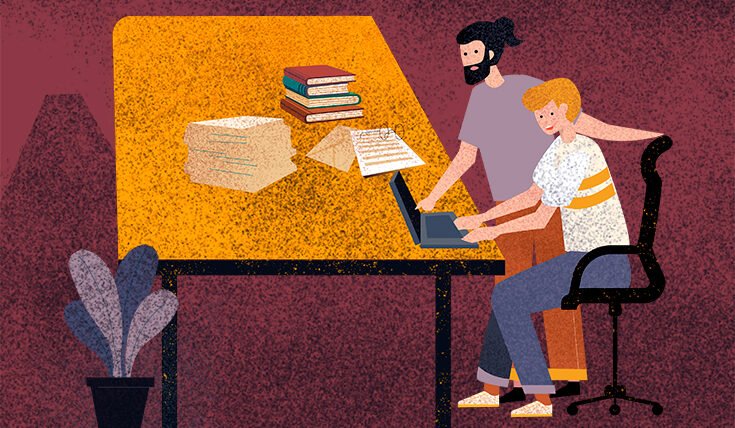
So, you’ve been nurturing that story idea for years, scribbling notes in journals or typing chapters on your laptop during quiet evenings. Now you’re wondering how to turn those words into a real, published book. It’s exciting, a little scary, and completely possible. Every great author started exactly where you are right now, staring at a blank page and dreaming about seeing their name on a book cover. Publishing your first book might seem complicated, but once you understand the process, it feels less like a mystery and more like a journey. Whether you plan to work with traditional book publishers or take the self-publishing route, the key is knowing the right steps to publish a book for beginners. These steps will help you move from idea to print or even to an ebook publisher with confidence.
You don’t have to be a professional writer to publish your story. You just need commitment, patience, and the right guidance. From writing your first draft to polishing your final manuscript, from editing and formatting to choosing your publishing path, every stage brings you closer to your goal. Steps to publish a book for beginners: Think of it as building a bridge from your imagination to your readers’ hands. Let’s walk through the essential steps that will transform your words into a finished book, one that not only looks professional but also captures your unique voice. This is your roadmap to writing, editing, and publishing a book you can be proud of.
Step 1: Steps to Publish a Book for Beginners: Begin with a Clear Idea and Purpose
Every successful book begins with a strong foundation. Before you write a single word, define your purpose. Why do you want to publish your book? Are you sharing knowledge, telling a personal story, or creating an adventure that readers can escape into? Take time to brainstorm ideas and settle on one that excites you. Think about your audience, the readers who will enjoy your work. Once you know your direction, create a simple outline. It doesn’t need to be perfect. It just helps you stay focused and ensures your story or message flows naturally.
Step 2: Write the First Draft Without Holding Back
When it comes to writing, perfection can wait. Your first draft is where creativity flows freely. Don’t overthink your sentences or worry about grammar at this stage. Let your thoughts pour out. Set small writing goals each day. Even a few hundred words daily can build up to a full manuscript before you know it. Some writers find inspiration in music, morning coffee, or quiet spaces. Do what works best for you. Remember, you can always refine later. Right now, your mission is to complete that first version of your book.
Step 3: Edit, Revise, and Polish
Editing is where your rough diamond begins to shine. Once your draft is complete, step away for a few days. Then come back with fresh eyes. Look for areas where your story drags or ideas need clarity. Start with self-editing. Check structure, pacing, and consistency. After that, consider working with a professional editor. They bring experience and an objective perspective that can elevate your writing to a professional level. Editing may take time, but it’s one of the most important steps to publish a book for beginners who want a polished final product.
Step 4: Focus on Design and Book Illustration
A great story deserves a captivating appearance. Readers do judge a book by its cover, so invest effort into the design. Whether you are working on a printed book or an ebook, your cover should reflect the mood and tone of your writing. If your story includes visuals, a skilled artist can bring scenes or characters to life through book illustration. Even if your book doesn’t require drawings, adding creative design elements like unique fonts or clean chapter layouts can make a big difference. A well-designed cover can also make your book more appealing to both readers and potential book publishers.
Step 5: Choose the Right Publishing Path
After preparing your book, you have two options: traditional publishing or self-publishing. Traditional publishing involves submitting your manuscript to book publishers, which can be more competitive and time-consuming but offers professional support and credibility. Self-publishing allows you complete control, publishing your book on popular online platforms and reaching readers instantly. This option is ideal for quick and creative book publishing, as it allows for easy access on devices like tablets and phones.
Step 6: Format and Proofread Before Publishing
Steps to publish a book for beginners: Formatting ensures your book looks professional both in print and digital form. Pay attention to fonts, margins, chapter spacing, and overall readability. A clean, consistent layout makes your book enjoyable to read. Before hitting publish, proofread one final time. Check for spelling, grammar, or formatting errors. You can even ask a few trusted readers to give feedback. Their insights can help you catch small mistakes and improve your final version.
Step 7: Steps to Publish a Book for Beginners: Market and Share Your Book with the World
Publishing is only half the journey. Once your book is live, it’s time to tell people about it. Create a simple marketing plan. Start with social media, build an author page, and connect with readers who love your genre. Reach out to bloggers, book reviewers, or reading communities. Offer sample chapters or host virtual readings. If your story resonates with readers, word of mouth will become your strongest ally. Marketing doesn’t need to feel overwhelming. Focus on authenticity. Talk about what inspired your book and what readers can gain from it. Genuine passion always shines through.
In the end, writing and publishing your first book is not just about putting words on paper. It’s about sharing a piece of your imagination, knowledge, or heart with the world. Following the right steps to publish a book for beginners can turn this dream into a reality. The journey might take time, but every late-night writing session and every round of editing brings you closer to holding your book in your hands. Believe in your story, stay patient, and trust the process. Soon, you’ll look back and realize you did more than just publish a book. You created something lasting, something that speaks to readers long after the final page.